



Basement Wall Sealing in Charlotte: Stop Damp Walls Before They Cost You More
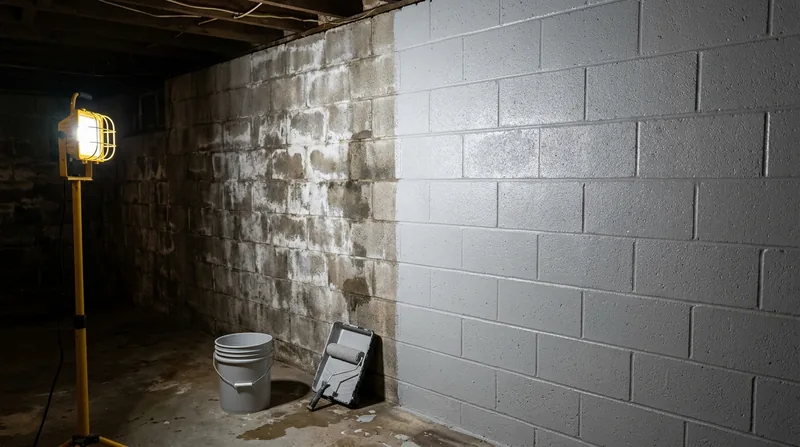
If you own a 1920s bungalow in Plaza Midwood or a 1960s split-level in Cotswold, you already know that Charlotte's red clay and high water table push moisture against foundation walls every time a summer storm rolls through. Basement Wall Sealing in Charlotte is the targeted fix for walls that weep, chalk, or smell musty after rain, without the cost of full excavation. We prep the surface, remove efflorescence, and apply penetrating or membrane sealers matched to your wall type, whether that is old brick, stone, or poured concrete. We also tell you straight when sealing is not enough and hydrostatic pressure is the real culprit. Call (980) 272-4046 to schedule a free basement inspection and find out which problem you actually have. For the full picture of below-grade moisture control, see our basement waterproofing service.
Why Charlotte's Clay Soil and Old Brick Foundations Make Wall Sealing Essential
Charlotte sits on the Piedmont, where deep red clay and weathered granite trap water against foundation walls far longer than sandy soils would. Add shrink-swell clay pockets and creek-side low spots along Little Sugar Creek and McAlpine Creek, and you get hydrostatic pressure that finds every hairline crack and porous brick joint. In older neighborhoods like Dilworth, Elizabeth, and Eastover, the original brick and stone foundation walls were never sealed against that kind of load. Even newer subdivision homes in Ballantyne and Huntersville see damp walls where grading and downspout extensions fall short.
- Efflorescence, the white chalky powder on brick and concrete, tells you water is moving through the wall and leaving mineral salts behind.
- Musty basement smell after heavy summer thunderstorms points to moisture wicking through unsealed masonry, not just humid air.
- Peeling paint and spalling brick faces on 1920s and 1940s bungalows mean the wall surface is staying wet too long.
- Hairline cracks in poured concrete walkout basements let in seepage even when the wall looks solid from the inside.
Sealing addresses the surface symptoms and slows vapor movement, but it does not relieve hydrostatic pressure. That distinction decides whether you need a sealer or a drainage system.
Key info: A homeowner in Myers Park had white efflorescence blooming across a 1930s brick foundation wall every June. We removed the salts, sealed the masonry, and extended two downspouts. The wall stayed dry through the next storm season because the source of the water was surface runoff, not a rising water table.
For permit questions on drainage alterations or structural work, always verify with the Mecklenburg County code enforcement office, since rules vary by jurisdiction and project scope.
How We Seal Basement Walls in Charlotte, Step by Step
We start by diagnosing the moisture source, because a sealer applied over active hydrostatic pressure will fail within a season. Our crew inspects the wall from the inside, checks grading and downspout discharge outside, and probes for soft mortar joints or hollow parging. Then we match the method to the wall: penetrating sealer for porous brick and concrete, membrane or dimple board where vapor drive is heavy, and epoxy or polyurethane injection when the water is coming through a discrete crack. Every job ends with a clear written explanation of what we did and what to watch for.
- We inspect the wall, footing drain area, and exterior grade to identify whether the moisture is surface seepage or hydrostatic pressure.
- We remove efflorescence, loose parging, and failed paint so the sealer bonds to sound masonry, not to a failing coating.
- We repair active cracks with epoxy or polyurethane injection before any sealer goes on.
- We apply the penetrating or membrane sealer in the correct number of coats for your wall material and moisture load.
- We correct grading and downspout extensions so roof water discharges well away from the foundation.
- We document the work and give you a transferable warranty on the sealing system.
When the inspection shows standing water or a saturated footing, we say so and point you toward an interior drain tile system instead of selling a sealer that cannot solve the problem.
Key info: A split-level home in Matthews had a damp wall along the uphill side after every tropical storm remnant. The wall itself was sound, but the grade sloped back toward the house. We sealed the wall, added downspout extensions, and regraded the soil line. No drain tile was needed, and we told the owner that up front.
Sealing Methods We Use on Charlotte Basement Walls
Not every damp wall needs the same product. The table below shows the approaches we use most often in the Charlotte metro and what each one is actually good for.
| Approach | Description | Best for |
|---|---|---|
| Penetrating sealer | Sinks into brick or concrete pores and blocks vapor movement without a surface film. | Minor dampness and efflorescence on older brick and stone walls. |
| Membrane sealer | Forms a flexible coating on the wall face to shed liquid water. | Poured concrete walls with light seepage and no standing pressure. |
| Epoxy injection | Fills and bonds structural cracks in poured concrete from the inside. | Non-moving hairline and shrinkage cracks in walkout basements. |
| Polyurethane injection | Expands to seal active leaks in cracks that may still move slightly. | Leaking cracks in poured walls where water is actively entering. |
| Parging repair plus sealer | Rebuilds failed mortar and parging before sealing the masonry surface. | 1920s to 1940s brick foundations with crumbling surface mortar. |
We recommend the least invasive method that actually solves the moisture problem, and we explain the trade-offs before you commit.
Basement Wall Sealing Cost in Charlotte: What to Expect
Most basement wall sealing projects in Charlotte start at From $1,500 and go up from there based on wall length, wall material, and how much prep work the surface needs. A single damp wall on a brick bungalow is a different job from sealing a full poured-concrete walkout basement in Waxhaw with active cracks that need injection first. Access matters too: a tight basement stairwell or a wall buried behind shelving slows the crew down and adds labor hours.
Getting two or three estimates is smart because the diagnosis matters more than the price. One contractor may quote a sealer when the real problem is a failed footing drain, and another may push a full drain tile system when simple sealing would do. Ask each one to explain what is causing the moisture, not just what product they plan to apply. Our full pricing overview breaks down how we build an estimate.
What to Look for When Hiring a Basement Wall Sealing Contractor Near Me in Charlotte
Basement wall sealing is not a licensed trade on its own in North Carolina, so the contractor's general liability insurance and workers' compensation coverage are your main protections. Ask for a certificate of insurance before work starts, and confirm the company carries both. Get at least three written estimates that separate prep work from sealer application, because a low bid that skips efflorescence removal will fail early. Check references from jobs in Charlotte neighborhoods with similar housing stock, and ask whether the crew handled brick, stone, or poured concrete. If your home is in a historic district like Dilworth or Myers Park, confirm whether exterior work or grading changes need local review before the crew starts. Reach out through our contact page to request a free inspection and a written scope.
Basement Wall Sealing in Charlotte: Pricing Guide
| Service | Price | Details |
|---|---|---|
| Single wall sealing, brick or concrete | Starting at $1,500 | Includes efflorescence removal, surface prep, and one coat of penetrating or membrane sealer on one wall. |
| Full basement perimeter sealing | Starting at $3,200 | Covers all interior wall faces; price rises with wall length, height, and number of coats required. |
| Crack injection plus sealing | Starting at $2,400 | Epoxy or polyurethane injection of active cracks before sealing; number and width of cracks moves the price. |
| Parging repair and reseal | On estimate | Failed mortar and parging must be rebuilt before sealing, so scope needs an on-site look. |
| Travel | Included | In Charlotte and surrounding areas, no separate call-out or mileage fee. |
| Estimate | Free | Response within 24h at (980) 272-4046, no obligation to book. |
Indicative pricing, the exact cost depends on square footage, finish, and site access. Free personalized estimate within 24h at (980) 272-4046.


