Why Charlotte Basements Are Vulnerable After Tropical Storms
When a tropical storm parks over the Charlotte area, the ground can absorb only so much rain before water starts looking for the path of least resistance. That path is often your basement. The region's clay-heavy soil drains slowly, and neighborhoods near Little Sugar Creek and other local waterways can see water rise fast. Even homes on higher ground are not immune, because saturated soil pushes water against foundation walls from all sides.
What makes tropical storm rain different from a typical afternoon thunderstorm is duration. A storm that drops several inches over many hours gives water time to seep into every crack, joint, and porous block in your foundation. By the time the rain stops, you may already have a Basement Waterproofing problem that did not exist before. Knowing what to check first helps you act quickly and avoid bigger damage.
First Things to Check in Your Basement After the Storm
Start with your nose. A musty, earthy smell is often the first sign of a Charlotte tropical storm basement issue, even before you see standing water. Then look at the floor along the perimeter walls. Puddles near the base of the wall, damp carpet edges, or water stains on cardboard boxes all point to water entering from outside. Check the cove joint where the floor meets the wall, since that is a common entry point when hydrostatic pressure builds.
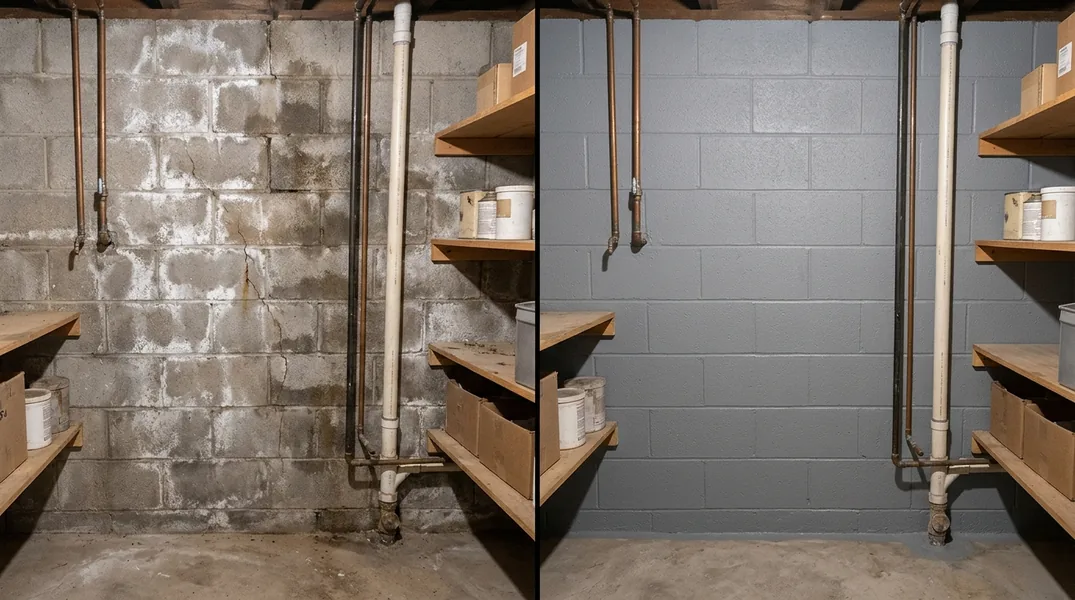
Next, inspect the walls themselves. Look for horizontal cracks in block walls, vertical cracks in poured concrete, and white powdery residue called efflorescence, which means water is moving through the concrete. Open any basement windows and check the wells for standing water. Finally, test anything that runs through your foundation, such as plumbing lines and electrical conduits, because gaps around them let water in. If you find active water or a flooded basement, document the damage with photos before you start free estimate cleanup so your insurance claim is easier to support.
Flooded Basement Cleanup: What to Do in the First 24 Hours
If your basement has taken on water, safety comes first. Do not wade into standing water near outlets, appliances, or your electrical panel. Shut off power to the basement at the breaker if you can do so safely, and call a professional if you cannot. Once the area is safe, remove wet boxes, furniture, and rugs to reduce moisture and mold risk. Mold can start growing within 24 to 48 hours in a damp Charlotte basement, so speed matters.
Use a wet/dry shop vacuum to remove standing water and set up fans and a dehumidifier to dry the space. Do not run a standard household vacuum in water. Pull up wet carpet and padding if it can be removed, and discard porous materials that cannot be dried quickly. As you clean, note where the water came from, because that tells you whether you need a simple fix or a full Interior Drain Tile System. If the water is more than an inch deep or covers a large area, call Charlotte Waterproofing at (980) 272-4046 for guidance before you start hauling things out.
Little Sugar Creek Flooding and Other Local Water Risks
Little Sugar Creek flooding is a well-known concern in Charlotte, and homes near the creek and its tributaries can face rising groundwater even when the creek itself stays in its banks. When the water table rises after a tropical storm, water can push up through a basement floor or seep in at the cove joint. Homes in low-lying areas of Concord, Gastonia, and Huntersville can see similar pressure issues, especially where grading directs water toward the house.
After the storm passes, walk your yard and look for low spots, clogged gutters, and downspouts that dump water within a few feet of the foundation. These small issues send thousands of gallons toward your basement over the course of a rainy season. Correcting grading and extending downspouts are inexpensive steps that make a real difference. For persistent seepage, Exterior Basement Waterproofing addresses the problem from the outside, while interior solutions manage water that already gets in.
Flood Prevention and When to Call a Pro Near Me
Flood prevention starts with maintenance you can do yourself: clean gutters twice a year, keep soil sloped away from the foundation, and make sure your sump pump has a battery backup. Test the pump by pouring a bucket of water into the pit and watching it cycle. If your basement has flooded before, a battery backup is not optional in Charlotte, because tropical storms often knock out power right when you need the pump most.
Call a professional when you see recurring dampness, cracks that are widening, or water that returns after every heavy rain. A proper assessment includes checking your foundation and drainage, and Foundation Waterproofing may be the right fix if water is entering through the structure itself. Charlotte Waterproofing offers a free estimate and transparent pricing, so you know what to expect before work begins. If you are searching for basement waterproofing near me after a storm, call (980) 272-4046 and get a clear plan for keeping your basement dry.
Looking for a professional basement waterproofing contractor in Charlotte? Charlotte Waterproofing responds fast for all your basement waterproofing needs.
Get a Free QuoteOur services: Basement Waterproofing · Interior Drain Tile System · Exterior Basement Waterproofing